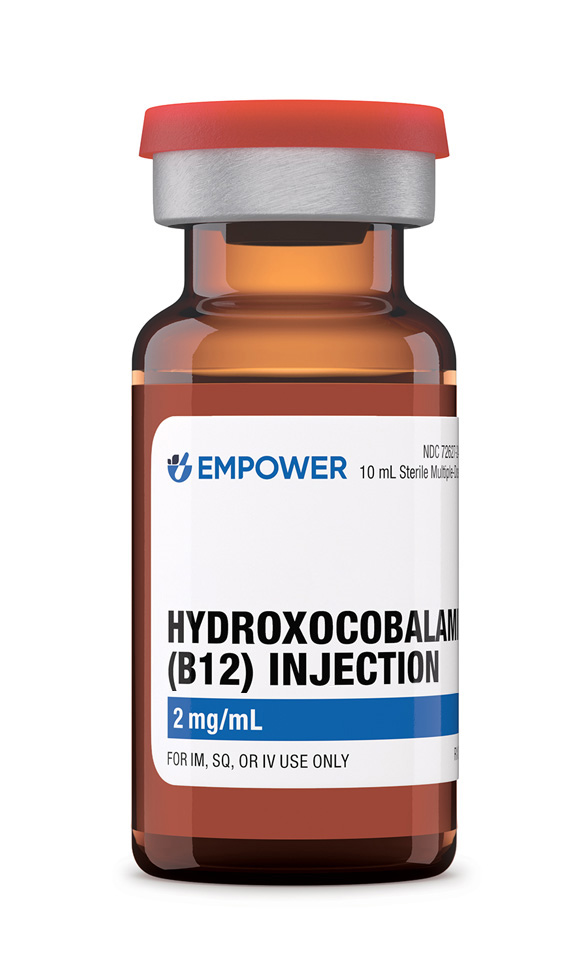
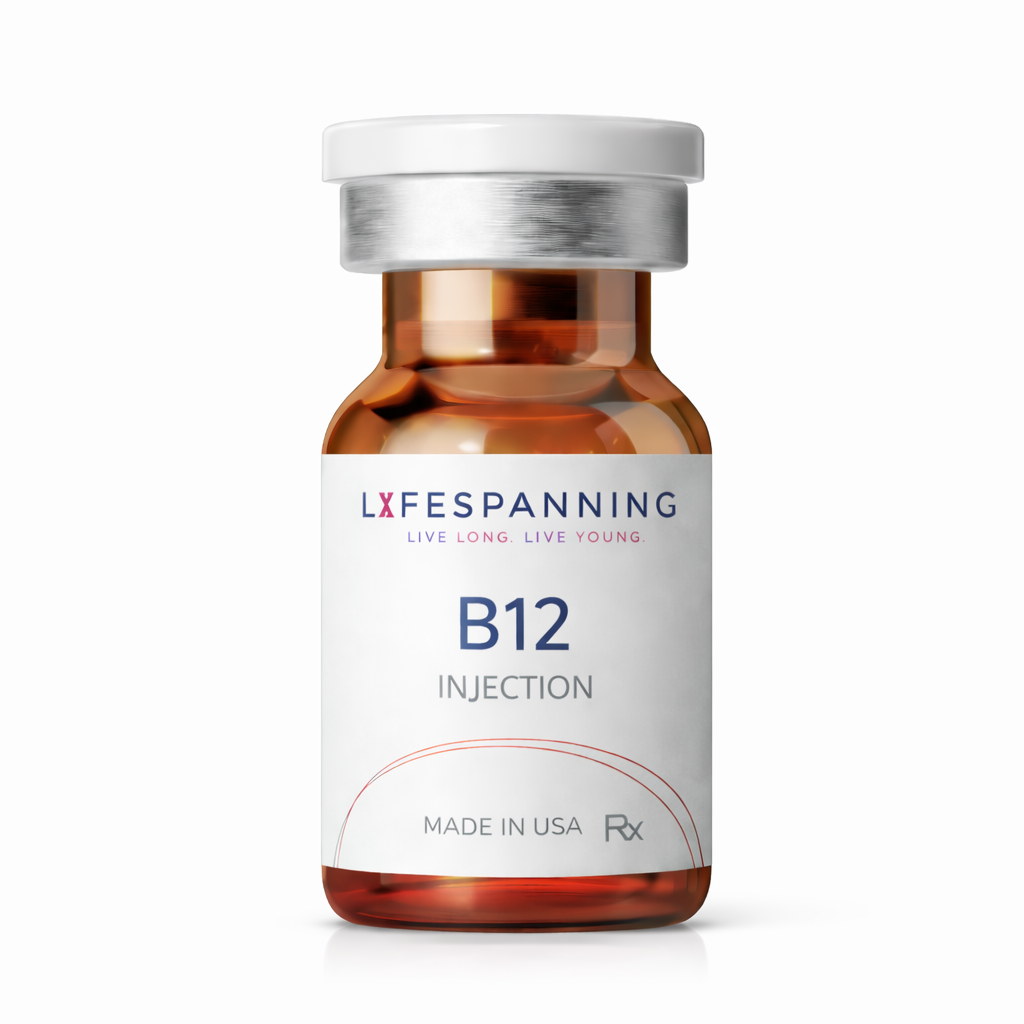
Vitamin B12 There is four types of parenteral Vitamin B12 available: Cyanocobalamin 100 mcg/ml and 1000 mcg/ml best used as IM to prevent rapid loss via kidneys Hydroxycobalamin IM (compounded 1000 mcg/ml or more) known as long acting B12 (binds better to plasma proteins than cyanocobalamin) Methylcobalamin IV (compounded 1000 mcg or more up to 5000 mcg/ml) Adenosylcobalamin IV Common dose is 1000 mcg IM or IV Vitamin B12 as hydroxycobalamin is synthesized exclusively by microorganisms and is found in the liver of animals bound to protein as methylcobalamin = metabolically active form of Vitamin B12 Hydroxycobalamin is a chelator of cyanide and is used in cyanide poisoning Hydroxocobalamin is most generally used for vitamin B12 replacement therapy and is considered the drug of choice for vitamin B12 deficiency by the Martindale Extra Pharmacopoeia (Sweetman, 2002) and the World Health Organization (WHO) Model List of Essential Drugs

Signs You May Have Low B12 Levels A deficiency in B12 can sneak up on you, especially if your diet or health conditions put you at risk
Currently, excessive NNMT upregulation is implicated in several scenarios, including obesity, metabolic diseases, muscle cell degeneration, and even some types of cancer [2, 4]
RVU values shown are estimates based on available CMS data at the time of publication
These medications can assist individuals in losing 5% to 10% of their body weight, which can lower the risk of cardiovascular disease in adults who are overweight or have obesity